Airway Crises In Nigerian Hospitals Linked To equipment Shortages

Date:

Share post:

Airway management specialists in Nigeria have identified inadequate medical equipment, shortages of trained personnel, funding constraints and gaps in professional training as major factors contributing to airway-related emergencies and adverse patient outcomes in hospitals across the country.

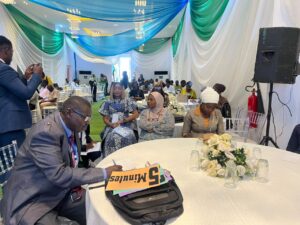
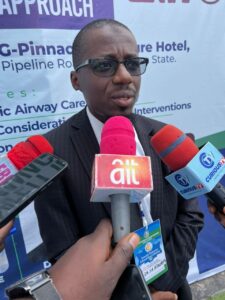
The experts raised the concerns at the 4th Annual Scientific Conference of the Society of Specialists in Airway Management (SSAM), themed “Towards Improving Safety in Airway Management: A Multidisciplinary Approach,” held in Ilorin, the Kwara State capital.

The specialists emphasized that effective airway management remains one of the most critical determinants of patient survival in emergency, critical care and surgical settings.

They noted that failure to secure and maintain a patient’s airway can result in severe complications, including preventable mortality.

Delivering a paper titled “Leadership and Innovation in Holistic Airway Care and Safety,” Consultant Anaesthesiologist and Head of the Department of Anaesthesia and Critical Care at Kibungo Teaching Hospital, Rwanda, Dr. Aderonke Adesiyan, said many airway disasters stem not from inadequate technical competence but from systemic failures, poor communication, inadequate preparation and weak leadership structures.

She revealed that about 40 per cent of major airway management complications are associated with human-factor issues, including fixation errors, communication breakdowns, fatigue, hierarchical barriers and loss of situational awareness.

She called for increased healthcare funding and sustained training programmes to strengthen airway safety systems.

Also speaking, Consultant Paediatric Anaesthesiologist and National President of Society of Specialists in Airway Management, Dr. Maryrose Osazuwa, stressed that airway management is inherently multidisciplinary and requires collaboration among healthcare professionals with varying levels of expertise.

She disclosed that the society currently has more than 300 airway specialists nationwide but noted that the number remains inadequate relative to Nigeria’s population and healthcare demands.

According to her, practitioners continue to face challenges arising from shortages of essential airway equipment and limited access to training opportunities, expressing concern that some single-use medical devices are being reprocessed and reused due to resource constraints.

Dr Osazuwa underscored the urgent need for governments at all levels to invest in modern medical equipment and make continuous professional training mandatory for healthcare workers.

A Consultant Anaesthesiologist and long-standing member of the European Society of Anaesthesiologists, Dr. Ellen O’Sullivan, spoke on the importance of multidisciplinary teamwork, simulation-based training, emerging airway technologies and evidence-based clinical protocols in enhancing patient outcomes.

The Chairman of the Local Organising Committee and Consultant Anaesthesiologist at the University of Ilorin Teaching Hospital, Dr. Kazeem Adegboyega, described airway management as a cornerstone of emergency medicine, critical care, trauma, obstetric, paediatric and surgical services, warning that inadequate expertise contributes significantly to airway-related morbidity and mortality.

The Chairman of the Nigerian Medical Association in Kwara State and an Otorhinolaryngologist, Professor Olusola AbdulRahman Afolabi, urged hospitals to involve airway management specialists in the assessment and care of patients undergoing high-risk surgical procedures to improve clinical outcomes.

In his remarks as Special guest of honour, the Permanent Secretary of the Kwara State Ministry of Health, Dr. Taoheed Abdullahi Ayodeji, underscored the vital role of airway management in patient safety and healthcare quality, lauding SSAM for advancing airway management through research, training, innovation and clinical excellence.

Dr. Ayodeji stressed the importance of collaboration among surgeons, anaesthetists and airway specialists, while reaffirming the state government’s commitment to healthcare workforce development, capacity building, quality improvement initiatives and modern health infrastructure.

He further emphasized that patient safety must remain central to efforts aimed at achieving Universal Health Coverage and improved access to healthcare services, expressing confidence that the conference deliberations would strengthen professional competence and contribute to safer patient care across Nigeria.

The conference also featured contributions from international and local experts who advocated stronger collaboration to improve patient safety.

LEAVE A REPLY

Please enter your comment!
Please enter your name here

Related articles

Stakeholders Advocate Integrated Healthcare Services For Vulnerable Groups

Stakeholders holders in Health sector have intensified advocacy for the integration of Sexual and Reproductive Health and Rights...

NALVEJ Elects New Officers July 1

National League of Veteran Journalists (NALVEJ) has announced plans to conduct its election on Wednesday, July 1, 2026,...

Media Group Urges FG To Halt Petroleum Marketers’ Continuous Price Hike

Federal Government has been called upon to stop petroleum marketers from the continuous high cost of fuel products...

Insecurity: Kwara Expresses Concern Over Influx Of Unknown Okada Riders

Kwara State Government has expressed concern over the growing influx of unidentified commercial motorcycle operators into the state,...